Introduction: Two Styles, One Goal
In the fast-evolving 2026 infographic design style battle, two styles are dominating conversations: Minimalist and Maximalist.
On the one hand, minimalist infographics are clean, simple, and focused—perfect for delivering key insights quickly. On the other, maximalist infographics are bold, detail-rich, and immersive, designed to grab attention and hold it.
But which style works best in 2026’s competitive, SEO-driven content marketing world? The answer depends on audience behaviour, platform trends, and brand positioning.
In this article, we’ll break down:
- The differences between minimalist and maximalist infographics
- How each style performs for SEO and engagement
- 2026 trends shaping this style battle
- How to choose the right approach for your brand
What is Minimalist Infographic Design?
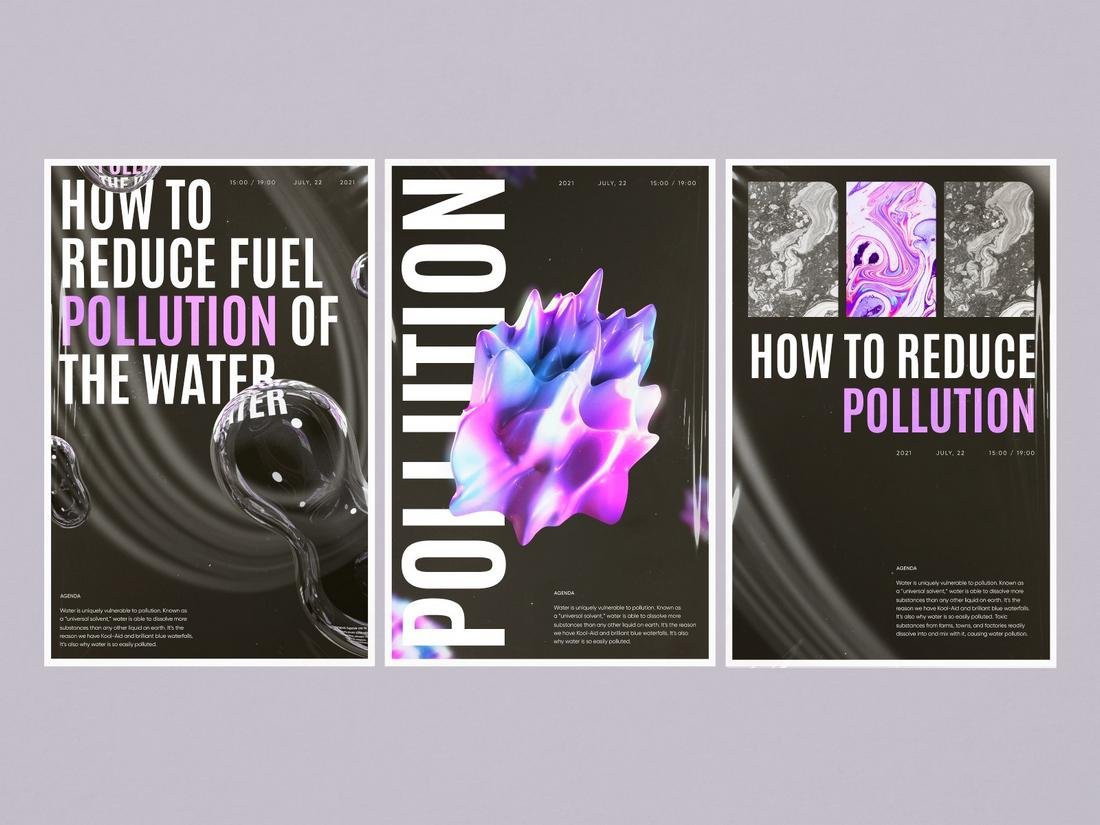
Minimalist infographic design focuses on clarity, space, and essential information.
It’s built on the principle that less is more.
Key Characteristics:
- Simple colour palettes (often 1–3 colours)
- Clean typography with strong hierarchy
- Generous white space
- Direct and easy-to-read layouts
- Focus on one clear message
Example:
A single-page visual showing “5 Ways to Boost Website Speed” with icons, a few keywords, and concise stats.
Advantages in 2026:
- Mobile-first friendly (scrolls easily)
- Fast-loading, which helps SEO rankings
- Easier for AI summarisation in Google’s Search Generative Experience (SGE)
- Ideal for short attention spans on social media
What is Maximalist Infographic Design?
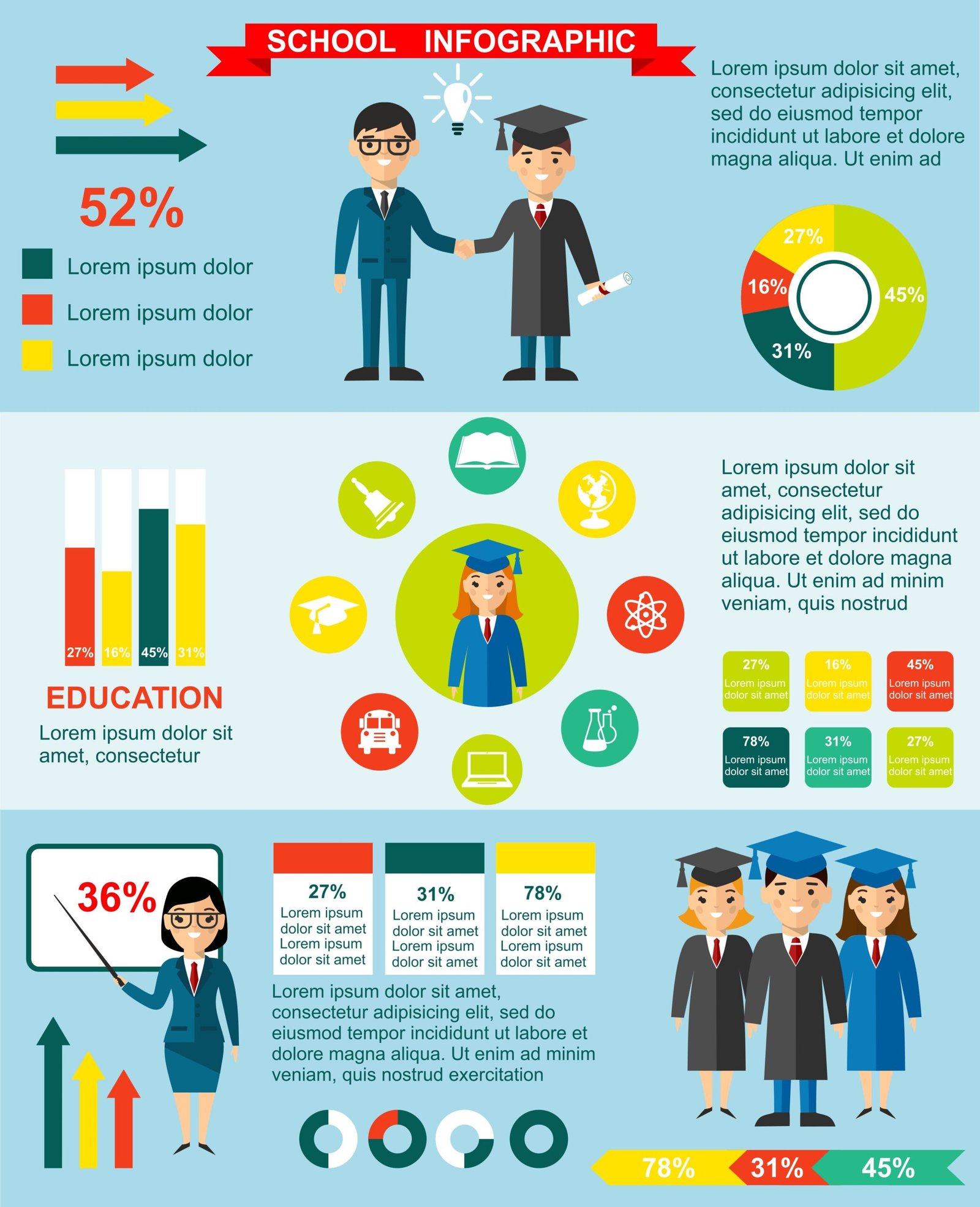
Maximalist infographic design thrives on rich detail, layered visuals, and bold aesthetics.
It’s all about making a statement.
Key Characteristics:
- Multiple vibrant colours and gradients
- Detailed illustrations and visual textures
- Large amounts of data presented in one visual
- Immersive storytelling elements
- Eye-catching typography and decorative elements
Example:
A full-scale infographic showcasing “The History of Technology in the Middle East” with timelines, illustrations, maps, and layered background elements.
Advantages in 2026:
- Highly shareable on visual platforms like Pinterest, Instagram, and LinkedIn
- Appeals to niche audiences who value deep, rich storytelling
- Can earn more backlinks if it contains original, research-driven content
- Perfect for brand storytelling campaigns
Minimalist vs. Maximalist: SEO Performance in 2026
In SEO-driven infographic design, the 2026 infographic design style battle is not just limited to style—it’s also how the style impacts ranking factors:
| SEO Factor | Minimalist | Maximalist |
| Page Speed | ✅ Faster due to smaller file sizes | ❌ Slower if uncompressed |
| Mobile Usability | ✅ Scroll-friendly | ⚠ Can be challenging if too detailed |
| Keyword Integration | ⚠ Limited text space | ✅ More opportunities for keyword-rich captions |
| Voice Search Readiness | ✅ Clear, simple phrasing | ⚠ Complex layouts harder for AI extraction |
| Backlink Potential | ⚠ Moderate | ✅ Higher if data-rich |
| Social Media Impact | ✅ Works well for TikTok/IG Stories | ✅ Works well for Pinterest/LinkedIn |
2026 Design Trends Influencing This Battle
The Minimalist vs. Maximalist debate is being shaped by technology, audience behaviour, and marketing priorities in 2026. Here are some of the trends we foresee in the 2026 infographic design style battle:
Trend #1: AI Search & SGE (Search Generative Experience)
Google’s SGE favours clear, structured, keyword-rich visuals.
Minimalist designs have a clear edge here because they are easier for AI to interpret.
Trend #2: Social Media Visual Competition
On Pinterest, Instagram, and LinkedIn, bold maximalist visuals are winning scroll-stopping attention.
Trend #3: Mobile-First Content
Minimalist infographics work better on small screens, while maximalist designs need adaptive layouts.
Trend #4: Data-Driven Storytelling
B2B marketers and media outlets still favour maximalist data visuals for in-depth, backlink-worthy content.
Which Style Works Best for Your Goals?
Choosing between minimalist and maximalist infographic design in 2026 depends on your:
- Audience (B2B, B2C, niche interests)
- Platform focus (website SEO, social media, PR)
- Content goals (awareness, backlinks, conversions)
If your goal is:
- Higher SEO rankings & speed → Minimalist wins
- More backlinks & PR coverage → Maximalist wins
- Mobile-first engagement → Minimalist wins
- Viral social media content → Maximalist wins
Combining Minimalism & Maximalism: Can a Hybrid Approach Work?
Many brands in 2026 are adopting a hybrid approach, using minimalism for core data presentation and maximalism for storytelling sections.
Example Strategy:
- Above the fold: Minimalist summary with key stats
- Below the fold: Maximalist storytelling with illustrations and details
This approach works because it satisfies both SEO algorithms and human attention patterns. Food for thought!
Accessibility & Inclusivity Considerations
With the above in mind, both minimalist and maximalist designs must follow accessibility best practices in 2026.
Minimalist Accessibility Tips:
- Maintain high contrast between text and background
- Avoid overly thin fonts on small screens
Maximalist Accessibility Tips:
- Avoid colour overload that causes visual strain
- Keep text readable even with decorative elements
Google increasingly factors accessibility into rankings, so this is not just good design—it’s good SEO.
Optimising Minimalist Infographics for SEO
If you choose minimalism:
- Use keyword-rich headings in text overlays.
- Add detailed alt text describing the core message.
- Keep file sizes under 200KB for instant loading.
- Include supporting blog content for keyword expansion.
Optimising Maximalist Infographics for SEO
If you choose maximalism:
- Segment your infographic for mobile scrolling.
- Compress images to reduce load time.
- Add HTML transcript or article version for keyword depth.
- Use schema markup to help Google index your visual content.
The 2026 Infographic Design Style Battle Verdict
There’s no one-size-fits-all winner in the Minimalist vs. Maximalist infographic design battle.
In 2026, the smartest brands will:
- Choose minimalism for speed, mobile, and SEO clarity
- Choose maximalism for deep storytelling, virality, and backlink potential
- Blend both styles in a hybrid strategy for maximum impact
Conclusion: Your Infographic Design Strategy for 2026
The Minimalist vs. Maximalist debate is less about which style is “better” and more about how you use each style strategically.
Minimalism wins for:
- SEO ranking factors
- Mobile performance
- Fast-loading content
Maximalism wins for:
- Storytelling depth
- Social media engagement
- Backlink generation
In 2026, brands that understand when to be simple and when to be bold will dominate both search results and audience hearts.
Let’s talk Minimalism vs. Maximalism
At Infographics Designers, we create SEO-optimised infographics in both minimalist and maximalist styles—designed to engage your audience and boost your rankings. Whether you need data-driven minimalism or bold, share-worthy maximalism, our team ensures your visuals look great and work hard. Contact us today to plan your 2026 infographic strategy.